Trail · How-To · Canadian Rockies, Canada
Rockies by Road: Planning the Trip
Two weeks of road tripping through Alberta and British Columbia — routes, timings and the practical planning behind the drive.
Words by Alex Wilson · 14 July 2026 · 9 min read
Rockies by Road: Planning the Trip
Canada had been on my bucket list for a long time, but getting the leave and the money together to do it always seemed to be the issue. That was until the end of 2025, when the stars finally managed to align. What followed was just over two weeks of the best road tripping I have ever done, across some of the best country I have ever seen. It is safe to say that when it comes to the outdoors and landscapes, Canada truly is in a league of its own.
A trip like this does take some planning, though. So in this first article I want to walk you through how we put ours together — the route, the campervan, and the logistics — and hopefully give you a few hints and tips for planning your own.
The route
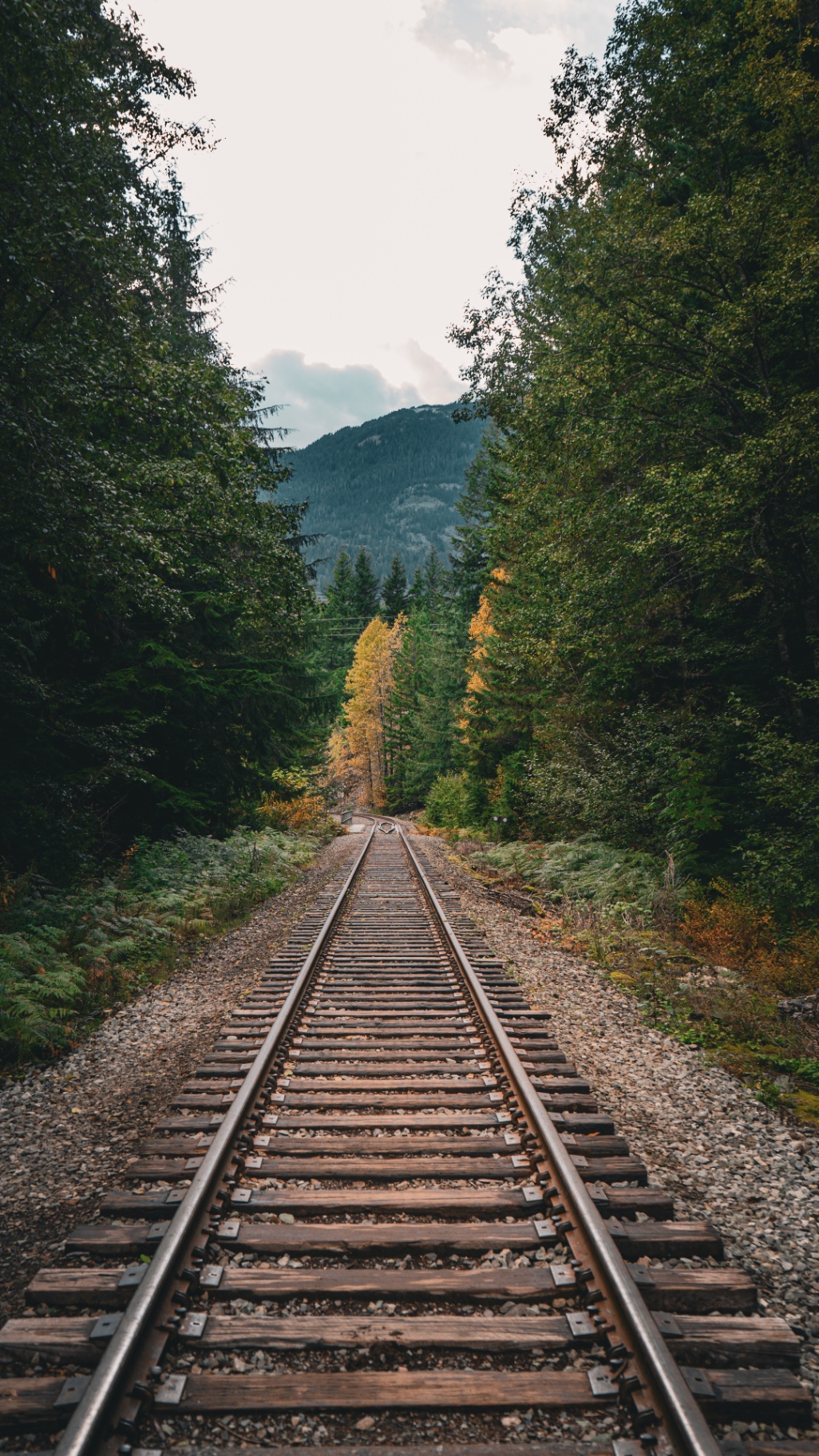
Start by building a skeleton route. There are plenty of ways to do this, but we set our start and end points first and then made a list of the must-see, non-negotiable places in between. For us those included the towns of Jasper and Banff, Lake Louise, and iconic drives like the Icefields Parkway and the Sea to Sky Highway.
Then refine it and plan your stops. We did this by setting a point-to-point limit of around three hours of driving per day. What we quickly discovered was that with stops along the way, three hours of planned driving translated to roughly two and a half hours of actual moving time. Building the day around a three-hour drive gave us a realistic destination to aim for while still leaving time to see what we had come for. We planned one big driving day of six to seven hours towards the end of the trip to maximise our time elsewhere, and while it worked, it took a bit of a toll and wasn't ideal. Ultimately it comes down to what you are comfortable with, but for us three hours was the sweet spot.
Availability is the next thing to factor in. The camping season in Canada generally winds down from mid-October. There is always a few weeks of leeway from campsite to campsite, and a minority stay open all year, but we planned our trip for early October and found options were already becoming limited. Go towards the end of the season or into the winter months and some of the less travelled or wilder spots may not be accessible at all, or served by any campsite infrastructure. That also makes the sites that do stay open considerably busier, so check ahead and plan accordingly.
Finally, your campervan's terms and conditions will shape your route more than you might expect. Most companies charge for mileage and require you to return the van to where you hired it from. You can change both of those things, but it will cost you — and if you are on a tight budget, that can be a real limiting factor on how far you roam.
Hiring a campervan
There are several large companies hiring campers throughout Canada, but we booked our Cruise Canada van through Motorhome Republic. MR is a kind of compare-the-market for campers, and it lets you quickly weigh up different offerings from across reputable companies. There is plenty of obvious stuff to think about before booking — the size of your party, fuel costs and so on — but a few considerations are a little less obvious, so those are the ones I will cover here.
First, the extras. The price advertised online often won't cover what companies consider optional extras, such as mileage, bedding, cookware and cutlery. Most vans come with a base level of mileage included in the hire cost — 500km, say — and if you want to go further you pay for additional mileage packages. With Cruise Canada all of the above was an up-charge, which can add a couple of hundred to the final bill.
Second, a thru-drive will cost considerably more. If you want to plan your trip as a point to point rather than a round trip, expect a price tag: companies charge you the cost of getting the vehicle back to its start point, and it can be hefty. For us it would have been around £400. It can still be worth it — it may save you on fuel or let you book cheaper flights — but work the numbers out in advance so you know either way.
Third, you are responsible for all consumables on the road. Our van was fitted with a gas heater and cooker as well as waste water tanks. If those fill up or run out, dealing with it is on you and at your expense. Most campsites have waste water facilities included in the cost of your stay, but gas refills have to be sourced elsewhere. We didn't need to do it on our trip, but if you know you'll be burning through fuel, factor it in.
General logistics
Visas and travel will depend on your country of residence, but for British citizens Canada operates a US-style electronic visa system that you must apply for online ahead of your visit. The cost is minimal, at around £5.
Park passes are the other essential. To visit many of Canada's national parks you'll need a pass, and it gets checked on entry as you drive in. You can buy single-entry passes for a specific park, or a Discovery Pass, which grants access to over 80 sites nationally. We went for the Discovery Pass as we were visiting multiple parks, and it worked out far more cost effective than buying individually. You can order in advance from Parks Canada, and I'd recommend doing so a minimum of two weeks before you fly, as they can take some time to arrive internationally.
That's the groundwork. In part two we'll get on the road itself — the drive out of Vancouver, up the Sea to Sky Highway and into the mountains proper.